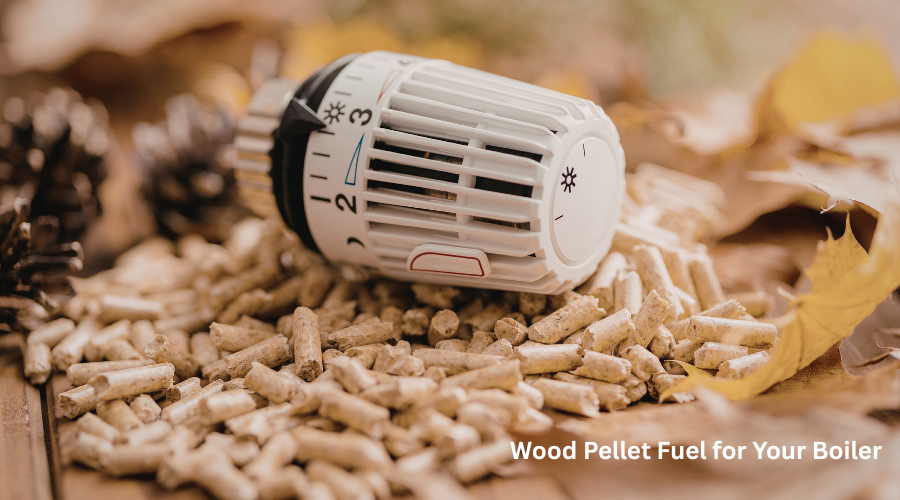
The first thing you need to do is be specific about the kind of pellets you want. Are you looking for wood pellets for a residential, commercial, or industrial boiler? All three types require different grades of pellets, which affects the combustibility and maintenance also. Clean burning, boiler’s life, fuel efficiency, and heating length depend on the quality of wood pellets you choose. This guide can help you pick the type of wood pellets for boilers you want. All you need to do is follow the considerations in the following steps.
Start with the certification of wood pellets you need for boilers. Since there are different types of boilers, this factor affects the selection process of pellets. You can make things easier by reaching the main point, which is certification and the grade of the wood pellets. There are three main grades, which are ENPlus A1, A2, and B.
• A1 is for residential use whose ash content is equal to or less than 0.7%.
• A2 is for commercial use with around 1.5% ash content.
• B is for industrial use with around 3% ash content.
There are two types of wood pellets: hardwood pellets and softwood pellets. These two types offer different combustibility, and this factor affects the heating level of the boilers. Although both are good options in terms of quality, the hardwood pellets are expensive. Softwood pellets provide more burning intensity and less ash content. Hardwood pellets provide long burning with high ash content.
If you want to get better heating quality, choose an ideal size range of pellets. The width of wood pellets should be between 5 mm and 7 mm. The ideal length should be between 15 mm and 25 mm. Also, all the pellets must be consistent in size, they will get stuck in the machine.
Their moisture content must be between 8% and 10%. Higher moisture content will affect the heating strength of the pellets. You can also do a physical inspection to determine if the pellets are fully dried or not. A halogen moisture analyzer and a microwave oven are two devices to help you inspect the moisture content. You can measure the weight of pellets before and after the heating process to get the moisture rate in them.
The most standard color of wood pellets is light beige. You can find some other shades, like lighter and darker ones, but this is the ideal one. The dark brown shade indicates the presence of bark in the pellets, which will increase ash content. So, a light beige is a better option.
Choose wood pellets with very low dust in the sack. If the sack of pellets has higher dust in it, it shows that the pellets are fragile. Fragile pellets are not a good choice for heating applications. Here is a rule of thumb: dust and ash content must be very low for the best combustibility.
Texture Must be Smooth and Compact with No Cracks
Notice the texture of the pellets because a smooth one is a sign of good quality. If they have cracks or crumble upon pressing with your hands, they are not a good choice. Make sure wood pellets have a hard and smooth structure without cracks.
The low ash content will provide clean burning. This is why the wood pellets must have an ash content of 0.7% or between 0.5% and 0.9%. If ash content is high, it will clog the feed system reducing the boiler’s performance. So, make sure it is lower than 0.9%.
Know About the Standard Density Range
The density of wood pellets should be between 600 kg/cubic meter and 650 kg/cubic meter. The denser it is, the better it will burn for a boiler.
There are compressed pellets, and there are some with binding or coats. The binding starch or other chemicals reduce the burning quality, speed, and intensity. Compressed pellets have no coats, which is why there is no extra ash content.
If you want to identify if the selected wood pellets really qualify or not, here are some ways. You can perform these tests to choose top-quality wood pellets to get better assurance.
Sawdust Smell in Burning
A natural sawdust smell is a sign that the wood pellets are natural when you burn them. So, you can take a sample of a few pellets to burn and inspect the smell.
Floating/Sinking Test
Perform a water test by dropping some pellets in a beaker or bowl. If the pellets slowly sink and remain solid for some time, it means they are of good quality. If they float and start crumbling after a moment, it means they are shallow.
Must Not Crumble on Light Pressure
Pick a pellet sample and press it between your fingers. If it starts crumbling, it means the pellets are shallow and weak. If it still remains intact, it means it is dense and could offer high combustibility.
Ash Appearance
Ash must be in powdered form, not clumps. If there are clumps of ash, it means there is high ash content in the pellets, and it could cause damage to the boiler. Those clumps of ash could build up in the feeder to reduce the performance of the boiler. This problem will also increase the need and cost of maintenance.
Choosing wood pellets requires a long list of factors that can affect the output. If you want to select high-quality wood pellets, be specific with a few things. Choose the lowest ash content, moisture content, and dust level. Then the combustibility will be high, and you will have to perform a few quality tests also. Then you can go ahead with the selection of a compatible size and grain quality for the boilers.
Highlights • A wood pell
READ FULLHighlights The first step of
READ FULLWood pellets are an evergreen fuel for boilers, even in this state-of-the-art world. People use a
READ FULL