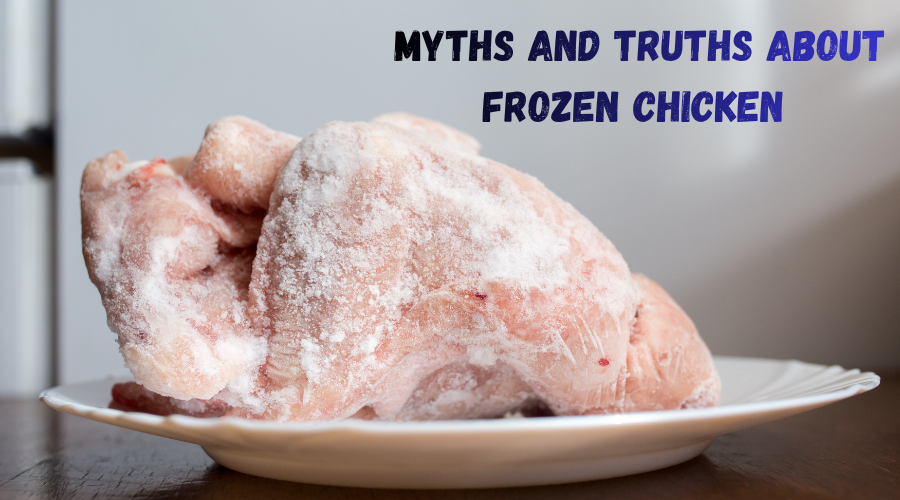
Frozen chicken has a bad reputation. Many believe that it is less healthy, less delicious, or just a lesser substitute to fresh chicken. And how true is all that? It is mainly all just old guesses that have been circulated over the years with little backing.
It is time to part ways with fact and fiction. This article identifies the most popular frozen chicken myths and sheds light on them.
This is most likely the most widespread belief. People have the notion that fresh is superior and frozen is inferior. However, that is not the way it is. Most of the chicken marketed in supermarkets as fresh has taken several days to reach the shelf. It does not have to be that much newer than frozen chicken by the time it arrives at your kitchen.
Frozen chicken is normally processed and frozen shortly after slaughter. Once this is done, there is a lock-in on the quality. Freezing preserves the protein content, texture, and nutritional value of food quite well when done correctly. The notion that the frozen is of low quality does not hold.
There is no actual difference in freezing chicken nutrients. During freezing, there is minimal loss of protein, vitamins, and minerals. How the chicken is cooked is more important than whether it was frozen.
Frozen chicken, many say, has a different taste. It is rubbery or dry, some say. Yet in most cases, it is the cooking process that makes this happen, not the freezing itself.
How you thaw it matters a lot?
Mishandling of chicken causes it to lose its texture. The cell structure is unevenly destroyed when chicken is thawed at an inappropriate, fast rate at room temperature and kept in warm water for as long as possible. When cooked, this results in a rubbery or watery product.
Chicken should not be thawed quickly. This preserves the texture and keeps the moisture in the meat. Frozen chicken is also as good as fresh chicken, provided that it is thawed and cooked properly.
Freezer burn is a separate issue.
There are those who have confused freezer burn with a general problem with frozen chicken. Freezer burn occurs when chicken is inappropriately stored. It occurs when air gets to the meat's surface. It leaves discolored, dry spots.
It is a storage issue, not a frozen chicken issue. Freezer burn will never be a problem because the chicken is wrapped airtight before being placed in the freezer.
This is another myth that should be put straight. Frozen chicken is not harmful. Freezing really kills bacterial growth. Bacterial growth at freezing temperatures is impossible.
Chicken has a health concern of thawing or handling rather than freezing. As long as the chicken is in the fridge and cooked to the right internal temperature, the chicken remains safe to eat. The issues arise when human beings leave the chicken on the counter to thaw for hours or freeze it in place on several occasions without proper care.
There is nothing wrong with frozen chicken. Mishandling of food can be hazardous. And those are just two pretty different things.
When chicken is frozen, you are expected to cook it. It is also more expensive than preparing called-in chicken, about 1.5 times as much. The only thing you need to do is make sure you do not exceed the internal temperature of 75 C (165 F).
Myths of Frozen Chicken and Health.
Numerous health myths are present in discussions about frozen chicken. We will discuss them individually.
Myth: Frozen chicken contains chemicals.
Some believe frozen chicken contains many preservatives and additives, keeping it frozen, but this isn't true. Freezing itself is the preservation method. Chicken does not require added chemicals in order to remain frozen. Additional sodium or marinades will be present in some processed frozen chicken goods, but not in plain frozen chicken.
Always read the label. When you purchase frozen chicken breast and thigh with no added additives, then you are getting straight chicken and nothing more.
Myth: Frozen chicken makes you sicker than the fresh one.
No concrete support can be given to this. Bacteria like Salmonella cause foodborne diseases. These bacteria are found in fresh and frozen chicken. The difference is that freezing bacteria kills them and prevents them from multiplying. Fresh chicken that is improperly stored at the wrong temperatures may pose a greater bacterial risk than properly frozen chicken.
With proper cooking, these bacteria are killed, whether the chicken was not frozen. It is the temperature control of cooking that you are likely to be safe.
Myth: You are never supposed to refreeze thawed chicken.
This has some truth, but it is misunderstood. Freezing chicken that has been kept at room temperature should not be done. Refreezing and re-cooking of still-thawed chicken in the refrigerator is safe. It may change in texture a little, but it is harmless.
Does frozen chicken last longer?
None, no chicken can be frozen indefinitely. The time taken to freeze reduces the quality of meat, although it retards microbial growth. It is recommended to consume the frozen chicken within nine to twelve months, as it gives the best flavor and texture. It is still safe to consume, but of lower quality than during storage.
What you should look for before buying frozen chicken meat?
Not all frozen chicken products are equal. These are some of the things you should look at before you purchase.
* See the ingredient list. Good frozen chicken must be a product with only one ingredient: chicken. When a long list contains sodium, broth, or flavor enhancers, then you are purchasing a processed food, not raw chicken.
* Check the packaging. Freezer burn and contamination are more likely to occur when packaging is torn or damaged. It is always advisable to select well-sealed packages.
* See the color in the packaging where possible. Chicken must be a light pink or white. A grey or heavily colored chicken is an indication of low quality or poor storage.
* See the expiry date or the best-before date. Whenever buying chicken, get the one that has the longest shelf life.
Frozen chicken has long been unjustly condemned. The negativity about it is largely myth-based and has little basis in fact. It is healthy, secure, cost-effective, and convenient. It offers results as good as fresh chicken when properly stored and cooked.
It all depends on how you deal with it. Heat it appropriately. Store it properly. Keep it at the appropriate temperature. You can never go wrong with those things and frozen chicken.
https://www.weissgreen.com/blogs/7-halal-frozen-chicken-meat-brands-in-the-usa
https://www.weissgreen.com/blogs/how-to-choose-a-reliable-halal-frozen-chicken-for-your-business
Highlights • A wood pell
READ FULLHighlights The first step of
READ FULLWood pellets are an evergreen fuel for boilers, even in this state-of-the-art world. People use a
READ FULL